Bruce Springsteen Center for American Music
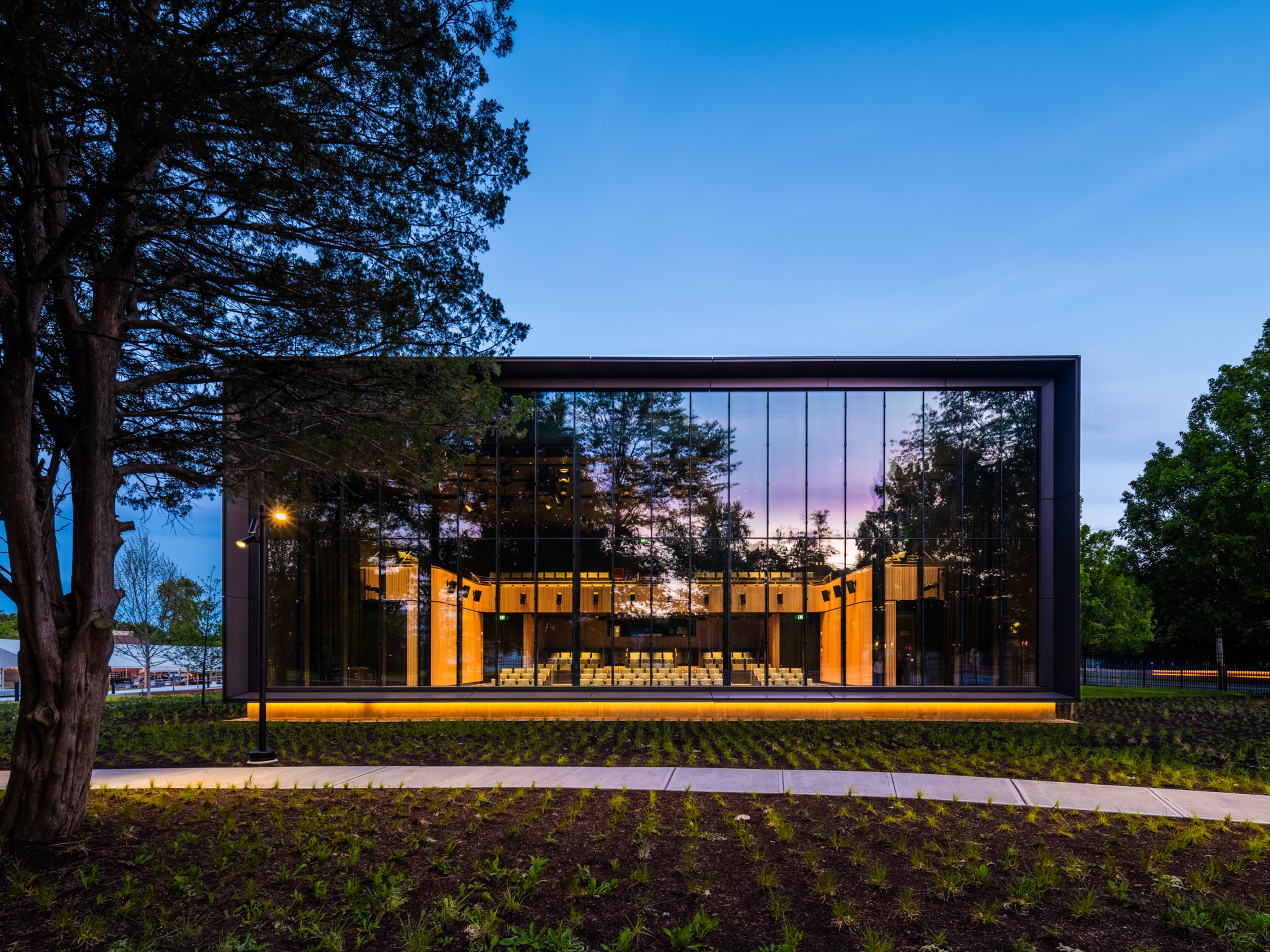
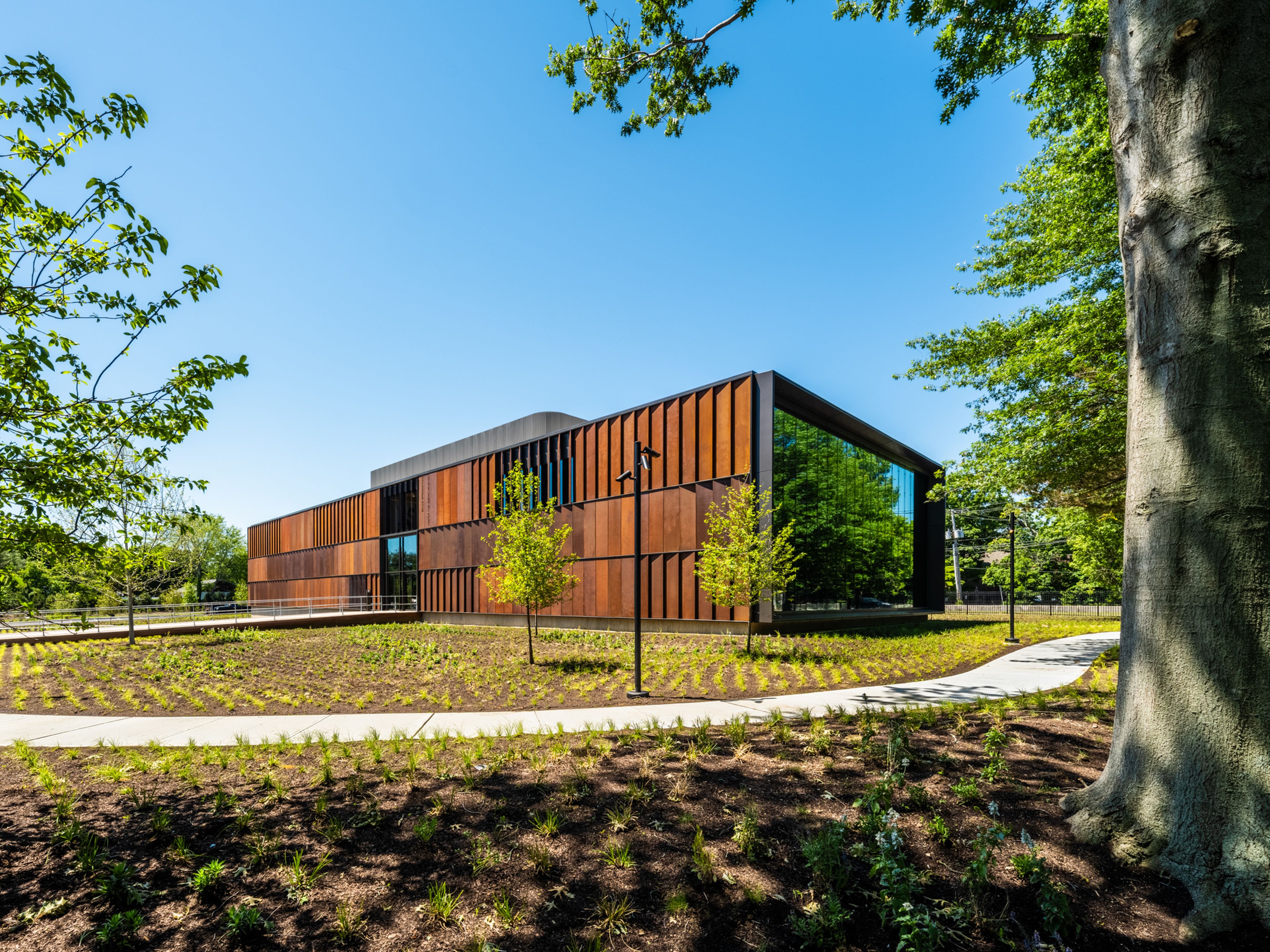
The DeSimone team employed an innovative, multi-disciplinary approach to designing the sustainable, hybrid mass timber-and-steel structure for the 30,000 SF Bruce Springsteen Center for American Music—optimizing collaboration across teams, boosting accuracy, and expediting project delivery through advanced fabrication-ready modeling and exceptional coordination.
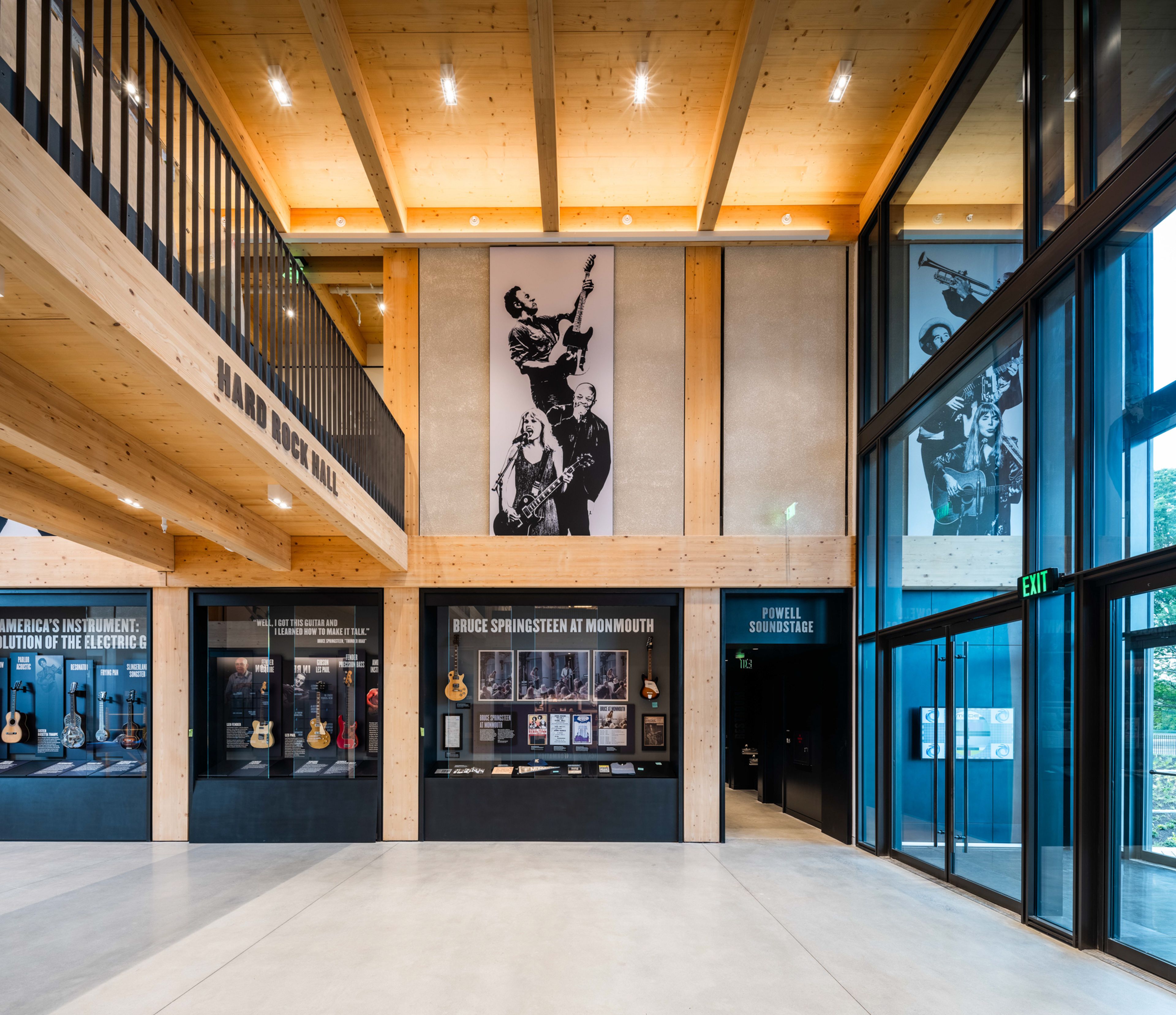
Located on the Monmouth University campus, this new cultural landmark honors both the New Jersey-born rock legend and the heritage of American music. The ground level hosts public exhibitions, education programs, live performances, and events, with space for archives, research, and additional galleries on the second floor.
| Client | Monmouth University |
|---|---|
| Architect: | COOKFOX |
| Size | 2 Stories | 30,000 SF | 2,787 SM |
| Sustainability | Targeting LEED Gold; Mass Timber Structure for reduced embodied carbon |
| Office: | New York |
| Completion: | 2026 |
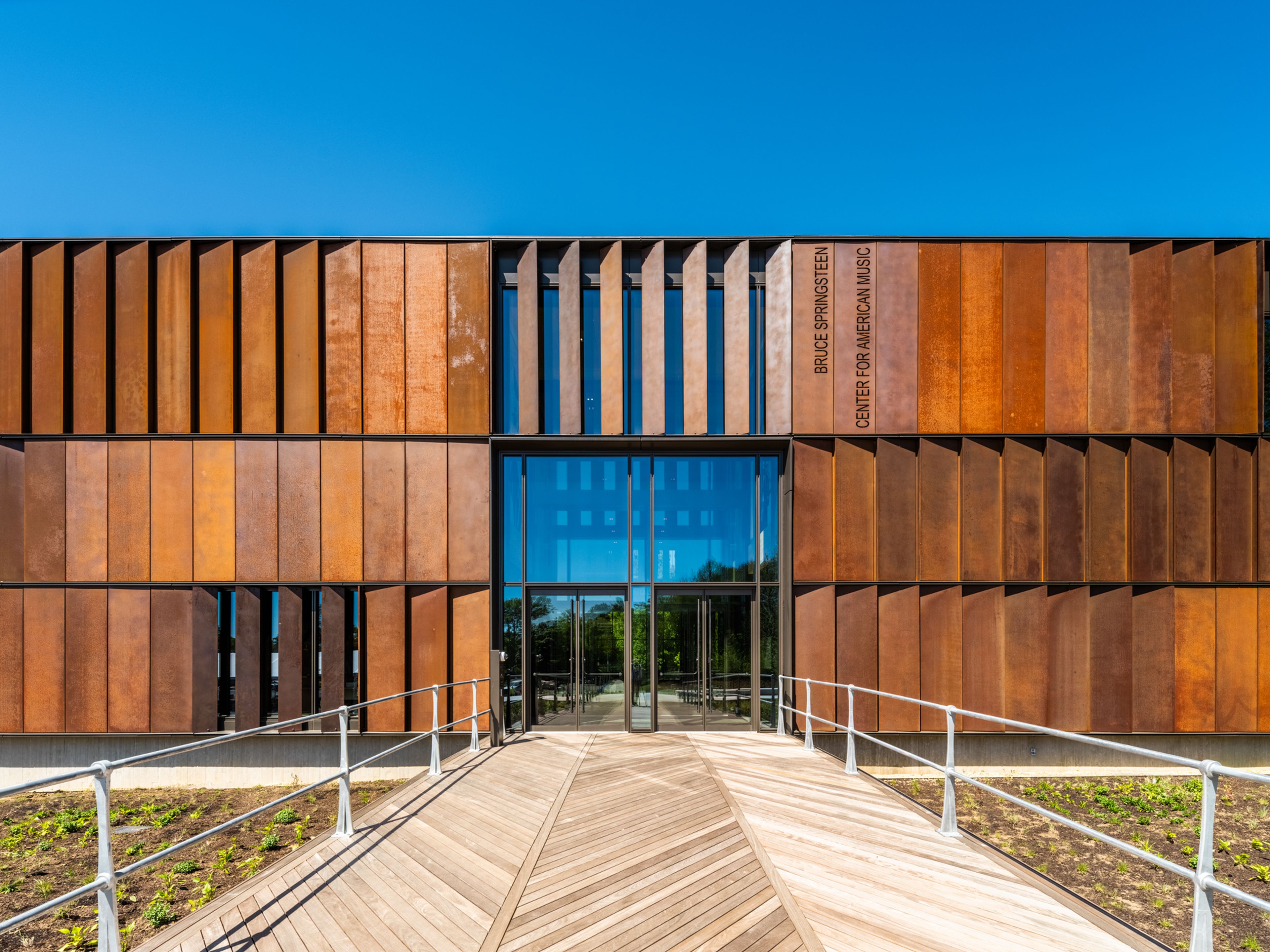
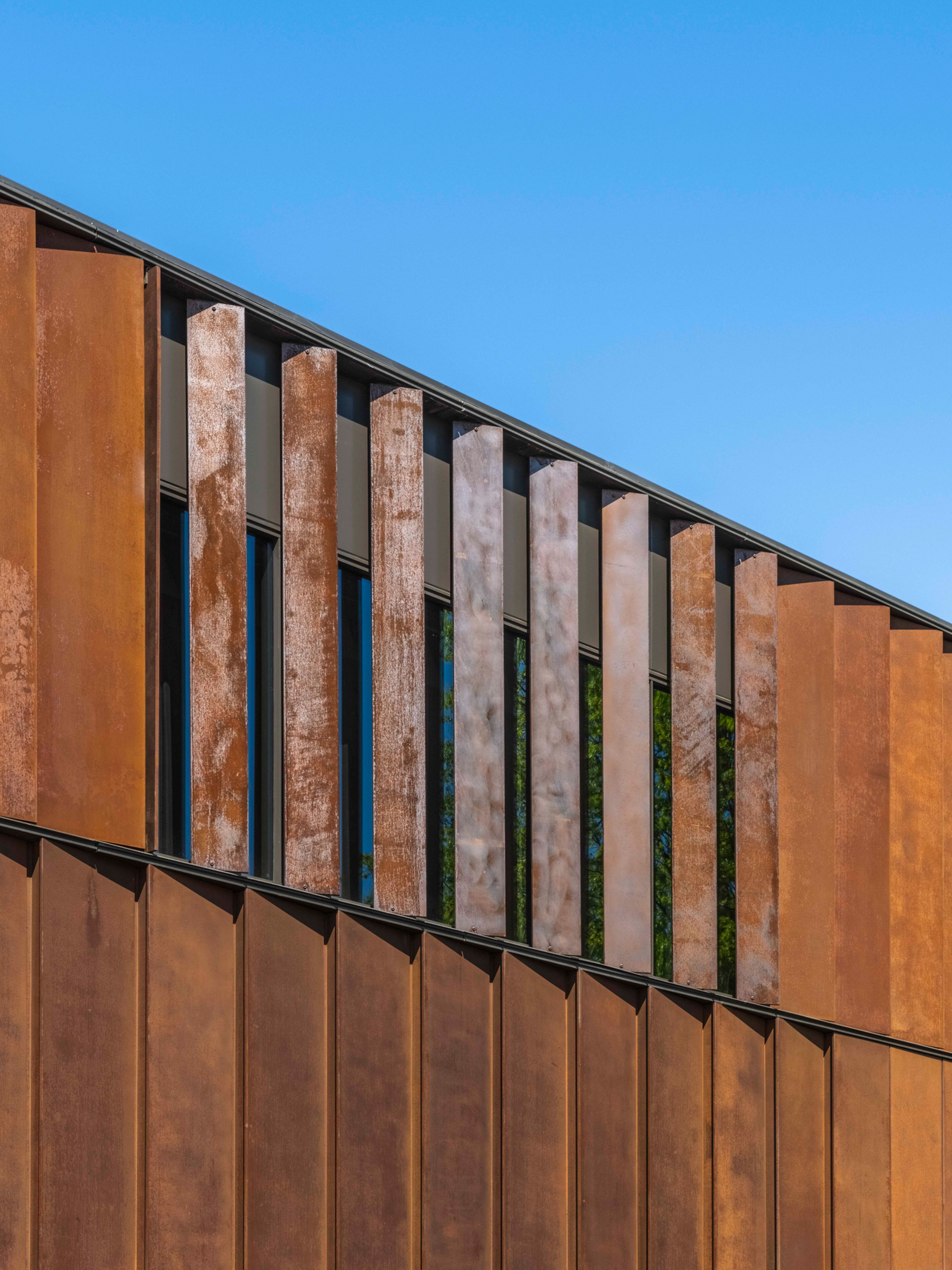
DeSimone’s unique, integrated service model empowered a highly collaborative interplay between our structural engineers, structural detailers, and façade and building envelope experts. We designed and detailed the hybrid mass timber-and-steel structure, which further incorporates concrete and concrete masonry elements. We also engineered the integration of the weathering-steel façade with the timber structure and the glass curtain wall on the north elevation with the steel structure.
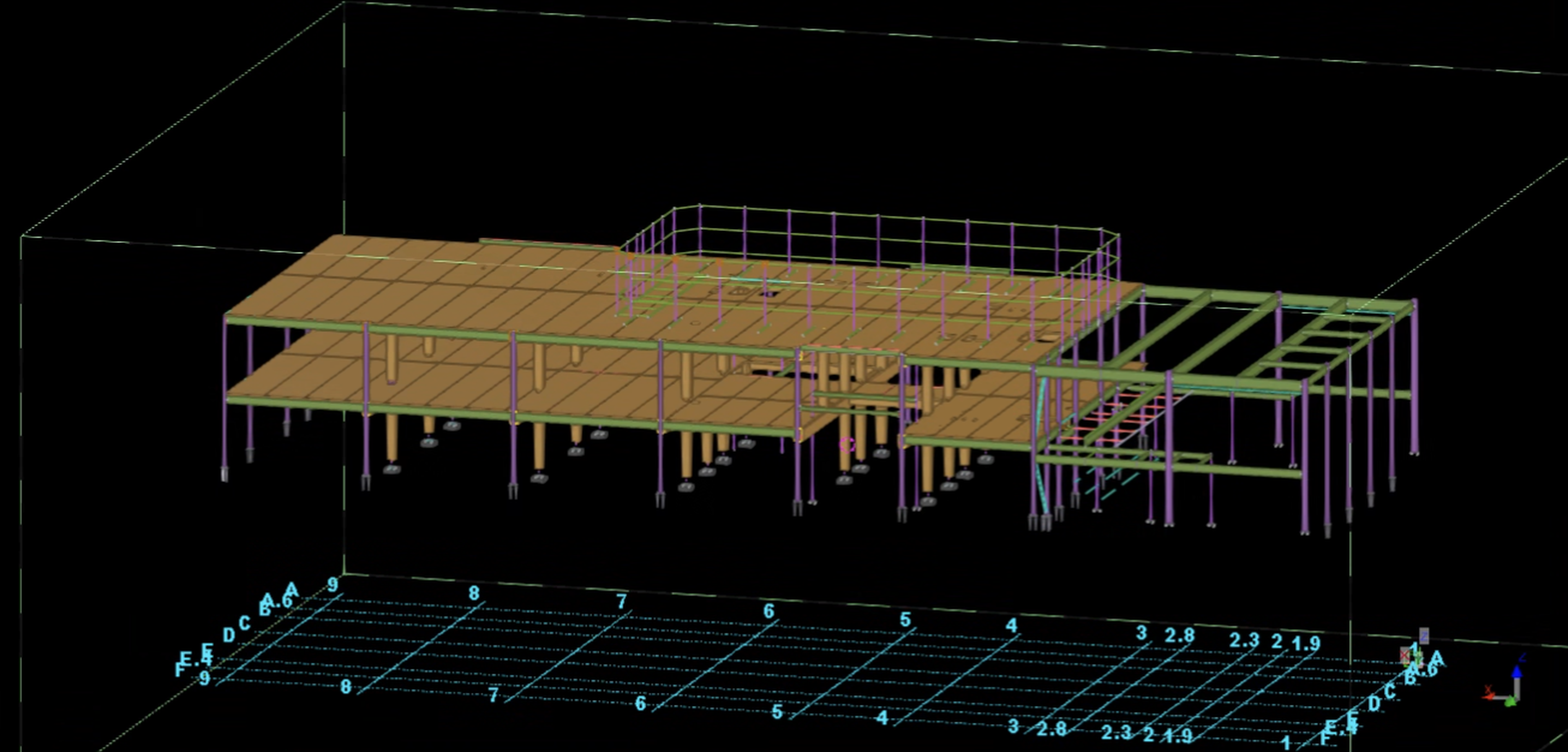
Our team collaboratively created a unified, fabrication-ready, 3D Tekla model that combined the mass timber and a steel perimeter structure of the main space with the steel structure of the theater— bypassing the need for separate models typically produced by different firms. This allowed us to efficiently resolve interfaces between glulam beams and columns, CLT floor panels, and steel components to significantly reduce coordination gaps, tolerance risks, and fabrication conflicts—ultimately streamlining fabrication for both materials.
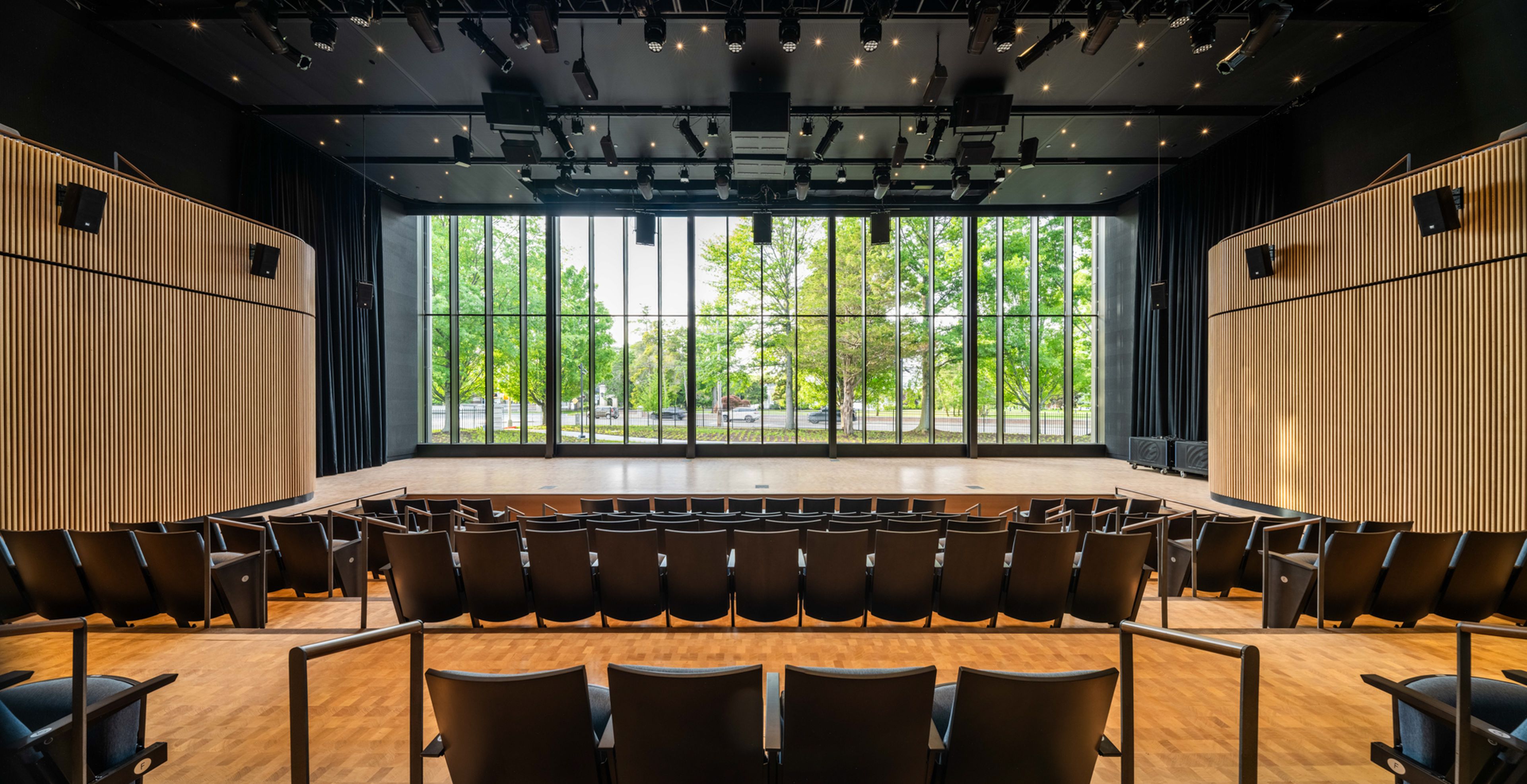
A key challenge involved the structural design of the double-height, 70-foot-long, column-free, theater. We developed a shallow, composite metal deck and steel solution to meet acoustic and visual requirements in tandem with a steel-and-concrete masonry perimeter system that provided fire separation so that the interior structure could be comprised of mass timber—which significantly reduced embodied carbon.
Download fact sheet here.