)
99 Hudson
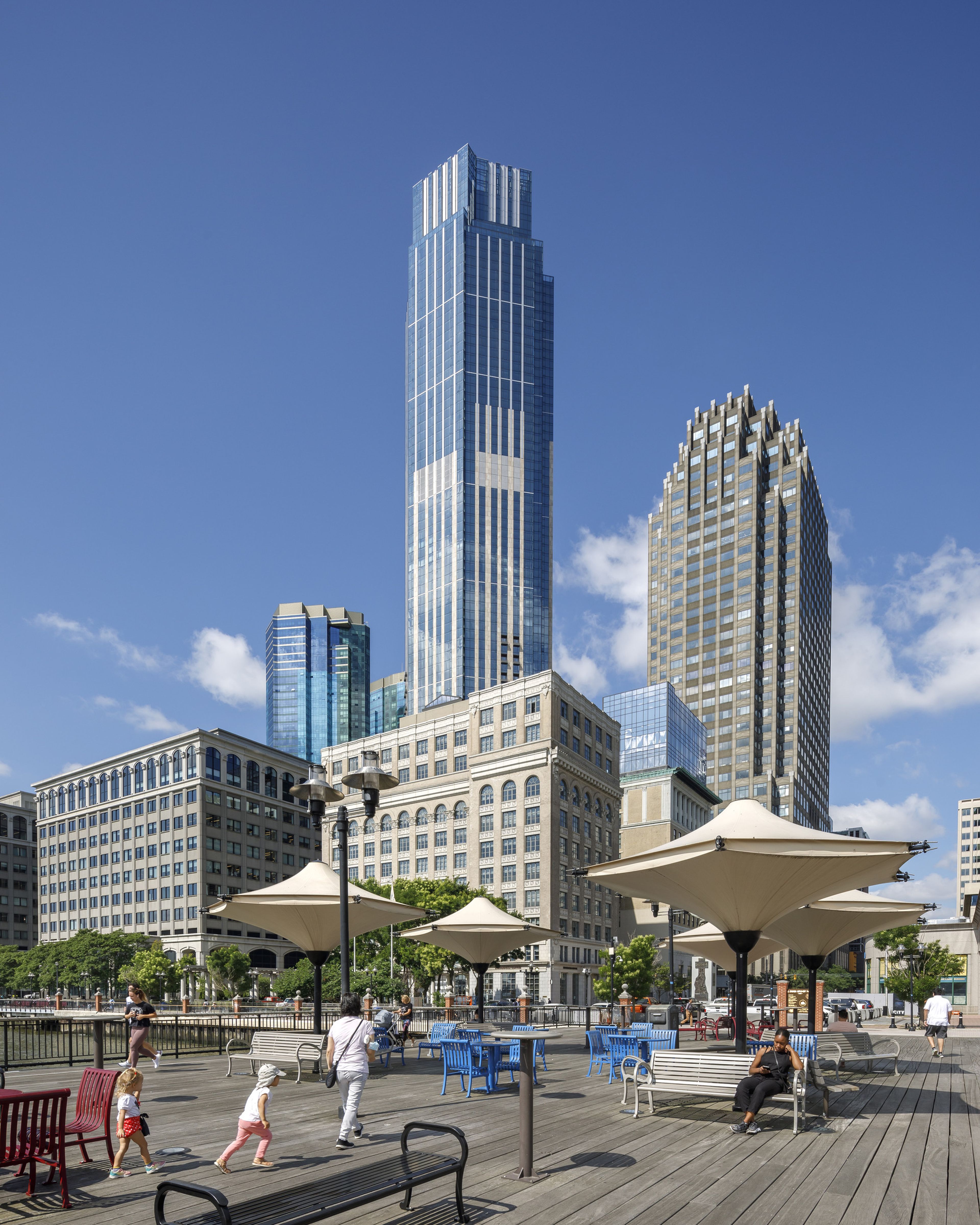
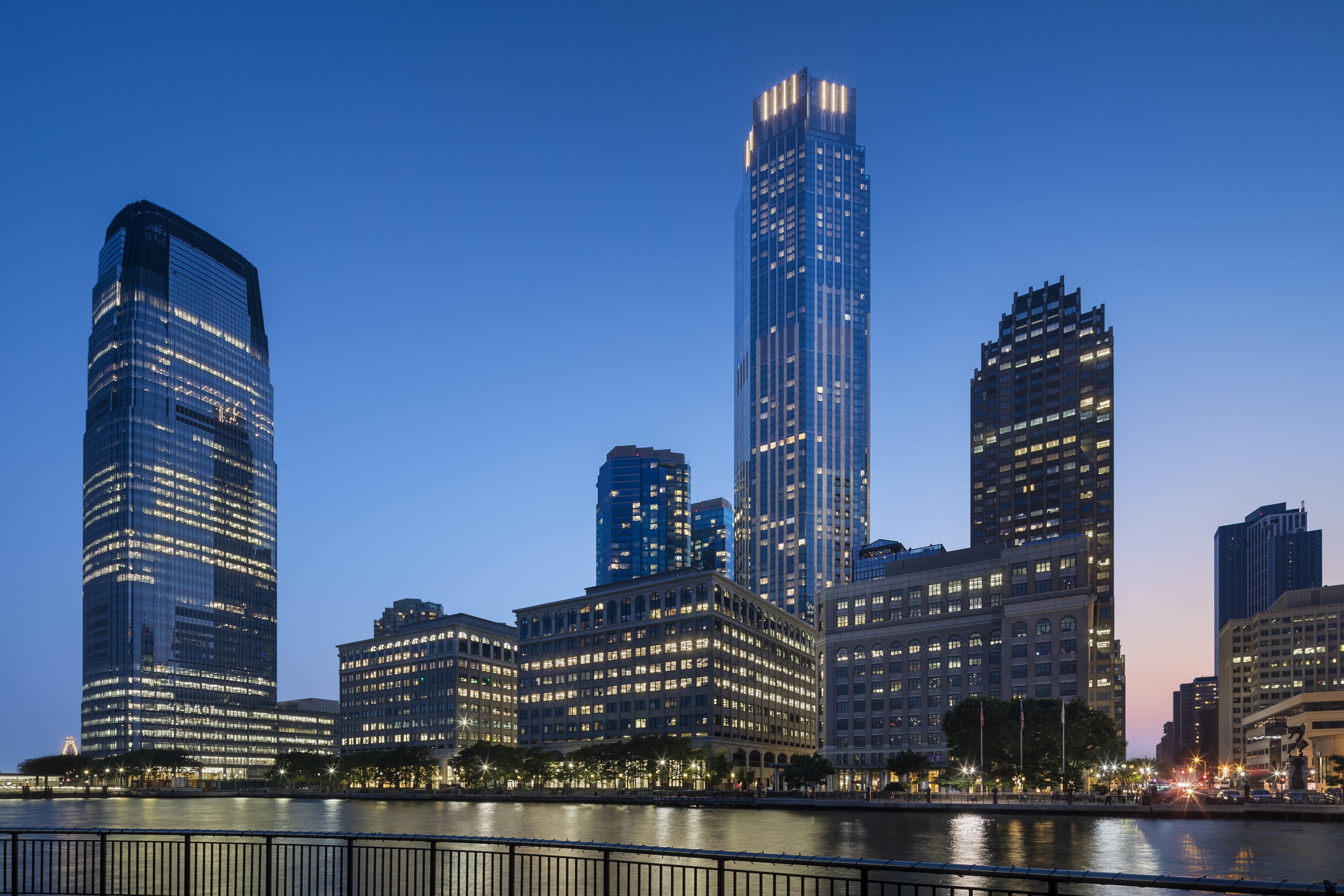
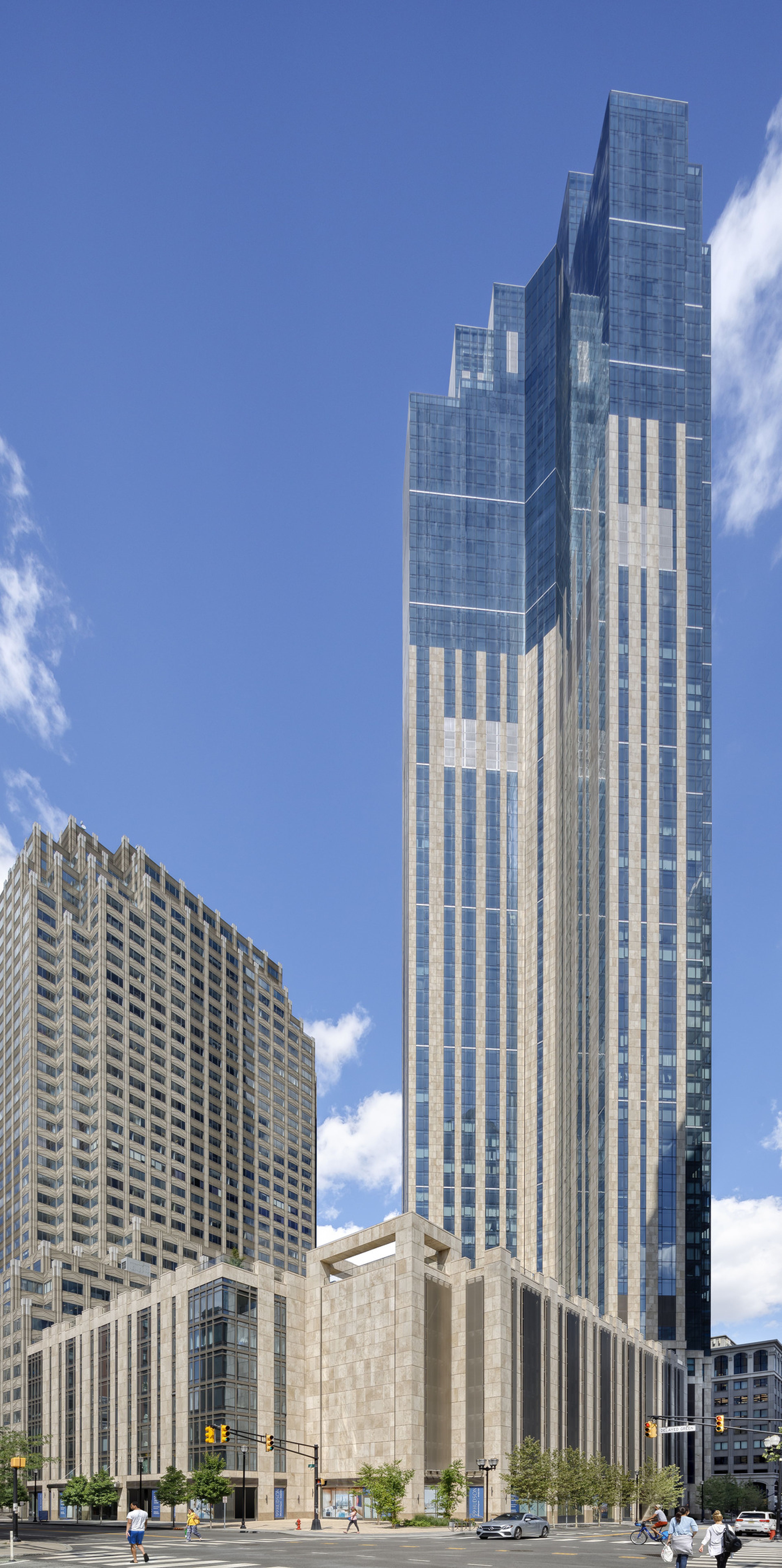
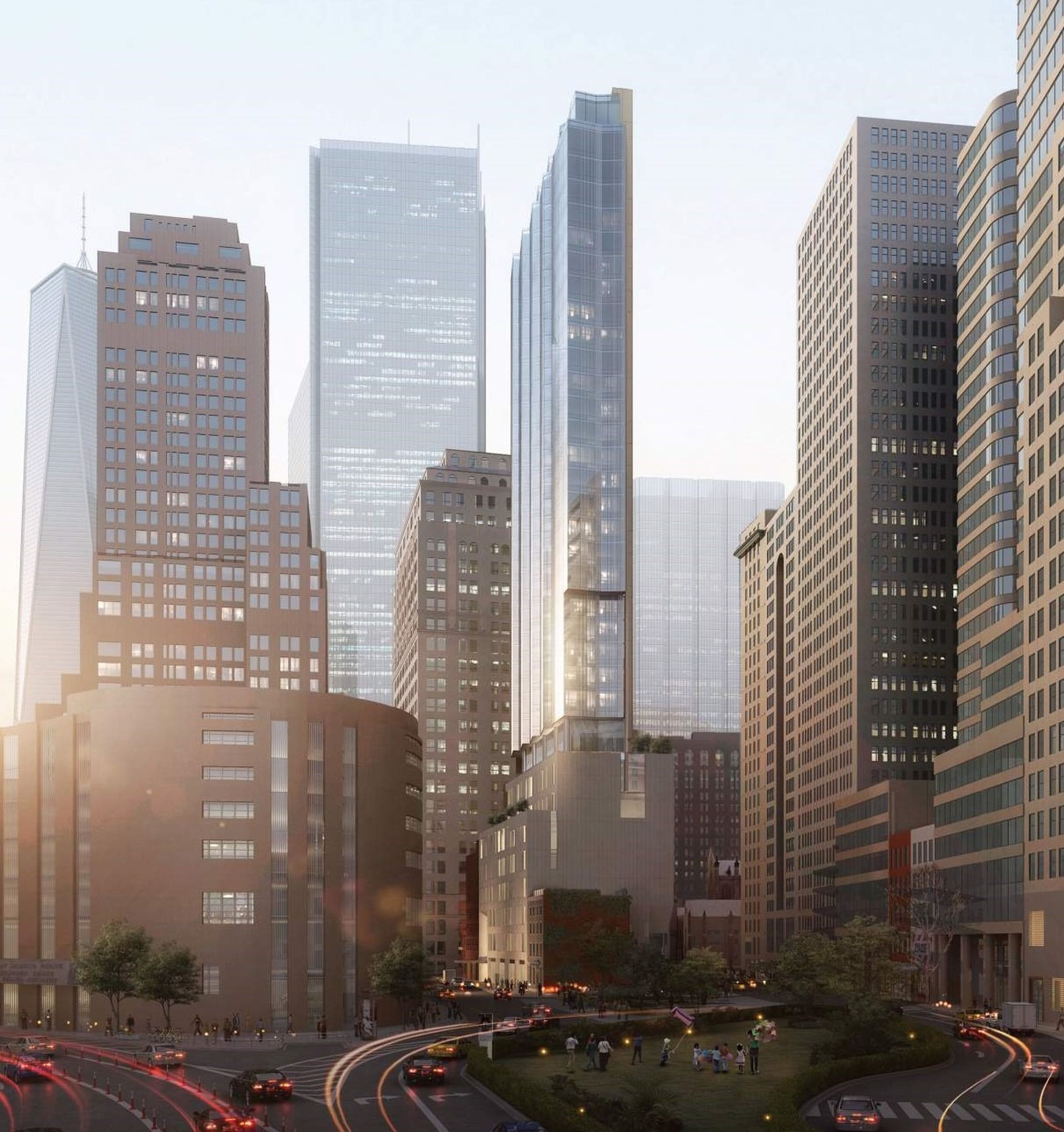
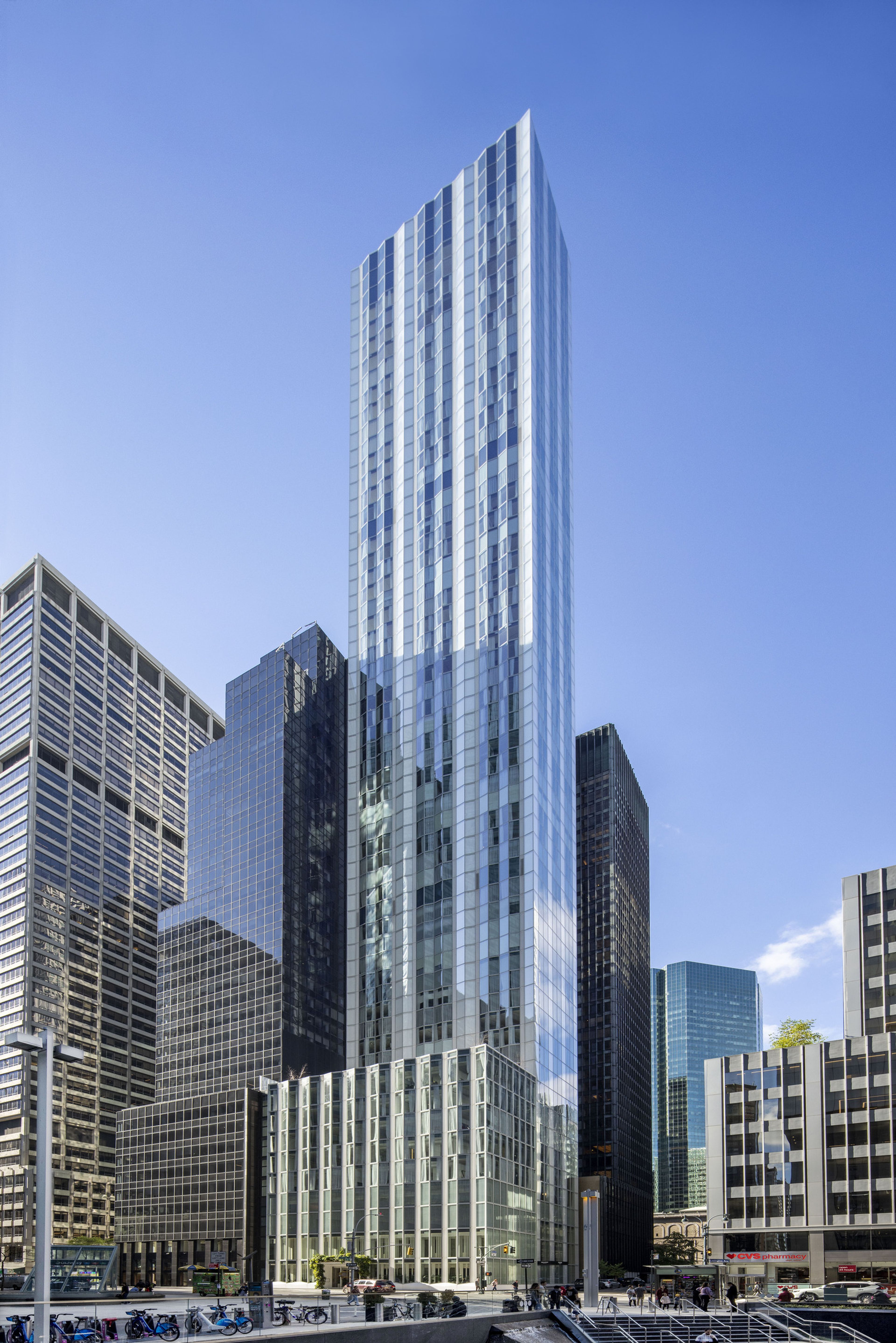
The tallest residential building in New Jersey, 99 Hudson rises 79 stories above its namesake river in Jersey City, offering stunning NYC views from its 781 condo units and extensive resort-style amenities. An Art Deco-inspired design, this reinforced concrete structure is clad in a floor-to-ceiling glass and limestone curtain wall.
Our final structural design of 99 Hudson eliminated the need for a Tuned Mass Damper or Liquid Damper— making it one of the few structures of this height worldwide to achieve the required structural performance without the use of supplemental damping systems—effectively reducing overall project costs for the client.
| Client | China Overseas America |
|---|---|
| Architect: | Perkins Eastman |
| Size | 79 Stories | 1,573,780 SF (146,211 SM) | 781 Units |
| Sustainability | High-performance building envelope |
| Office: | New York |
| Completion: | 2020 |
Constructed on a tight site with waterfront soil composed of unstable fill, we designed a mat foundation with rock anchors beneath a 26-foot-deep elevator pit, closely spaced 4-foot-diameter drilled caissons socketed into bedrock, and H-piles supporting the garage columns. The team’s innovative use of preassembled, high-strength rebar cages for the shear walls pared three months from construction schedule.
To define and support the tower’s tapering form and multiple setbacks, we coordinated closely with the architect to resolve a number of key challenges, including load path discontinuities, ultimately designing an efficient vertical structural system featuring column transfers to redistribute loads and cantilevered elements to support spacious amenity spaces.
To address the slender tower’s vulnerability to the Jersey City waterfront’s high winds and potentially extreme weather conditions, we designed a robust lateral system consisting of reinforced concrete shear walls and a cast-in-place concrete frame with flat plate slabs and columns to effectively control wind-induced drift.
We employed seismic and resiliency design strategies to meet strict local codes and provide an inherent structural robustness against severe weather events and high wind loads.