100 Eleventh Avenue
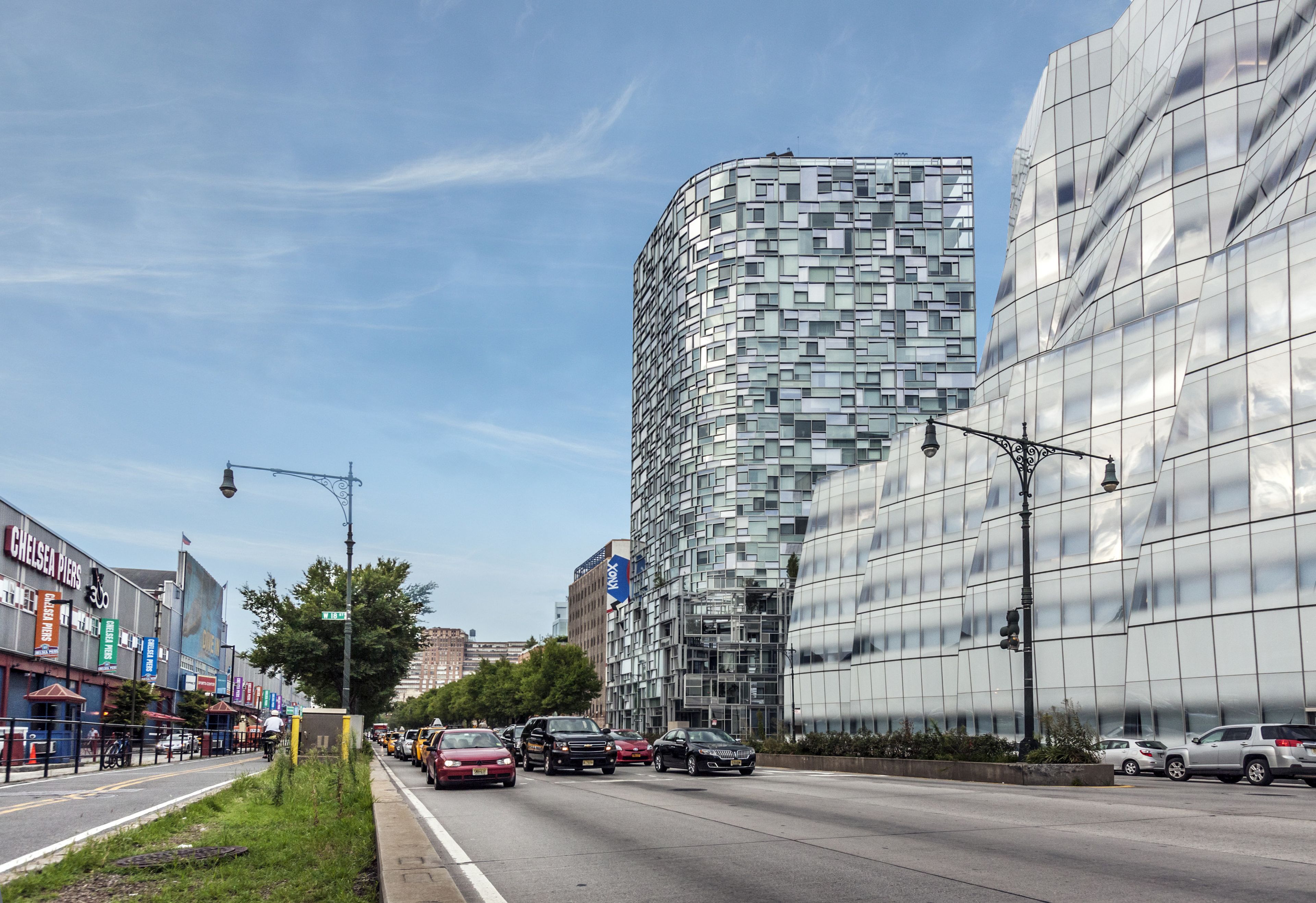
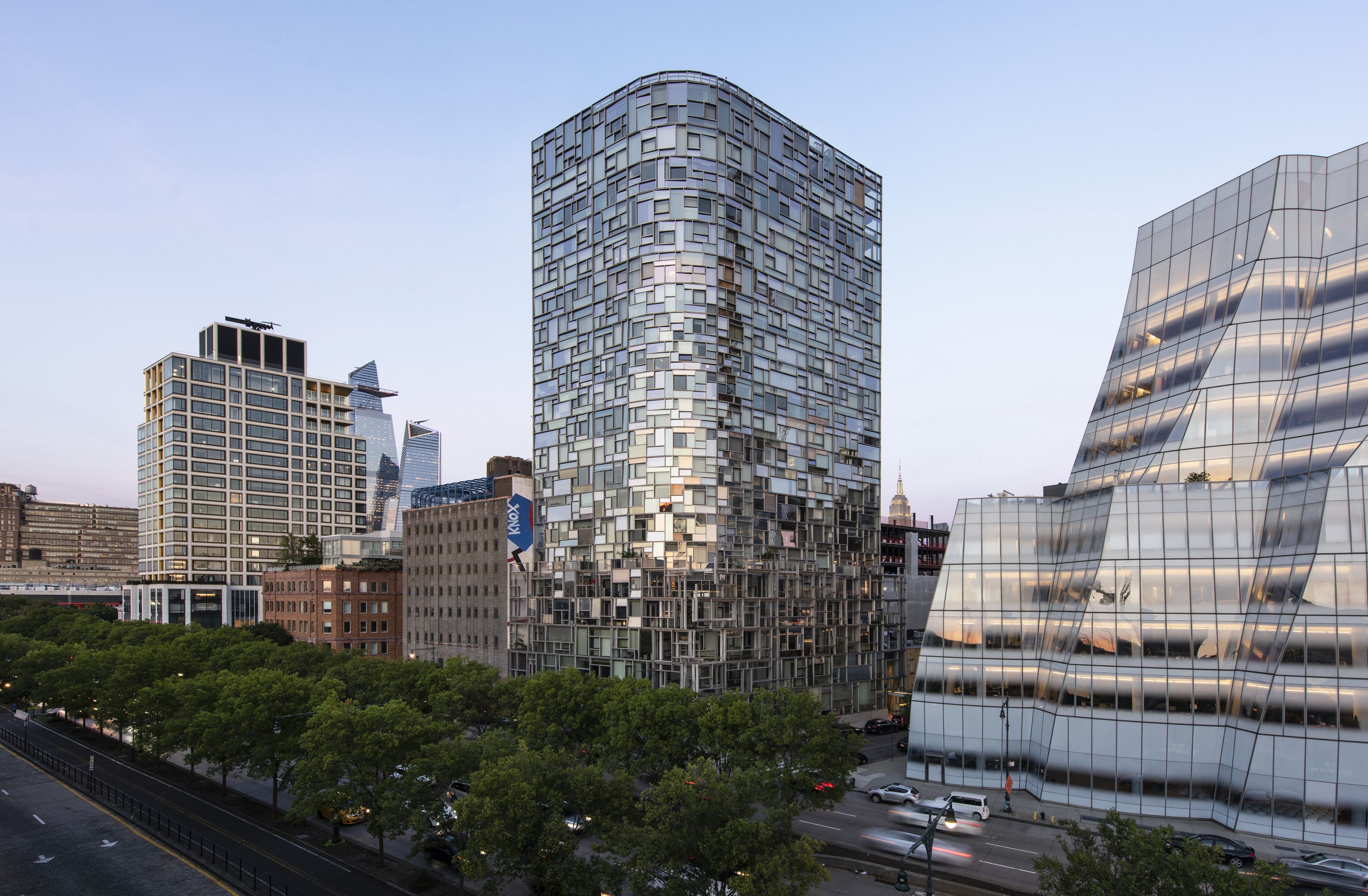
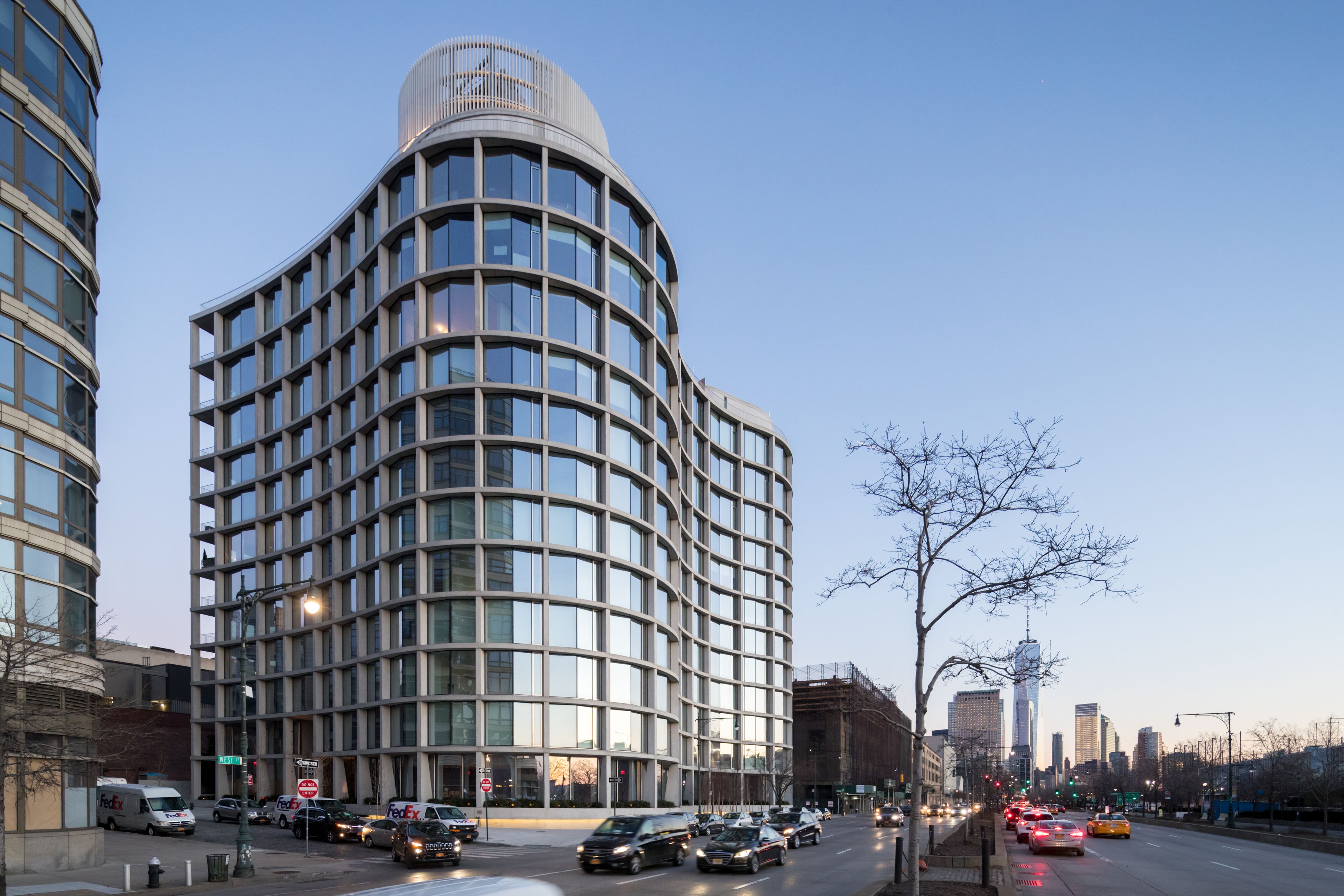
Located in West Chelsea, the Atelier Jean Novel-designed 100 Eleventh Avenue is condominium tower features a continuous, curved profile and multi-faceted, mosaic facade that offers panoramic views across the Hudson River.
Supporting this unique architectural vision, DeSimone engineered a reinforced concrete structural system with heavy slab spans to support the building’s distinctive profile. Further structural solutions accommodated the non-orthogonal bays created by the building’s curvature and curtain wall conditions, as well as long spans and cantilevered elements. Atypical, shifting apartment layouts dictated column locations with spans varying drastically throughout the core and expanding significantly along the building's perimeter.
| Client | West Chelsea Development Partners, LLC (now Cape Advisors) |
|---|---|
| Architects: | Ateliers Jean Nouvel and Beyer Blinder Belle |
| Size | 23 Stories | 130,000 SF (12,077 SM) | 72 Units |
| Sustainability | LEED Certified; high-performance materials, low-emission systems, and energy-efficient envelope |
| Office: | New York |
| Completion: | 2010 |
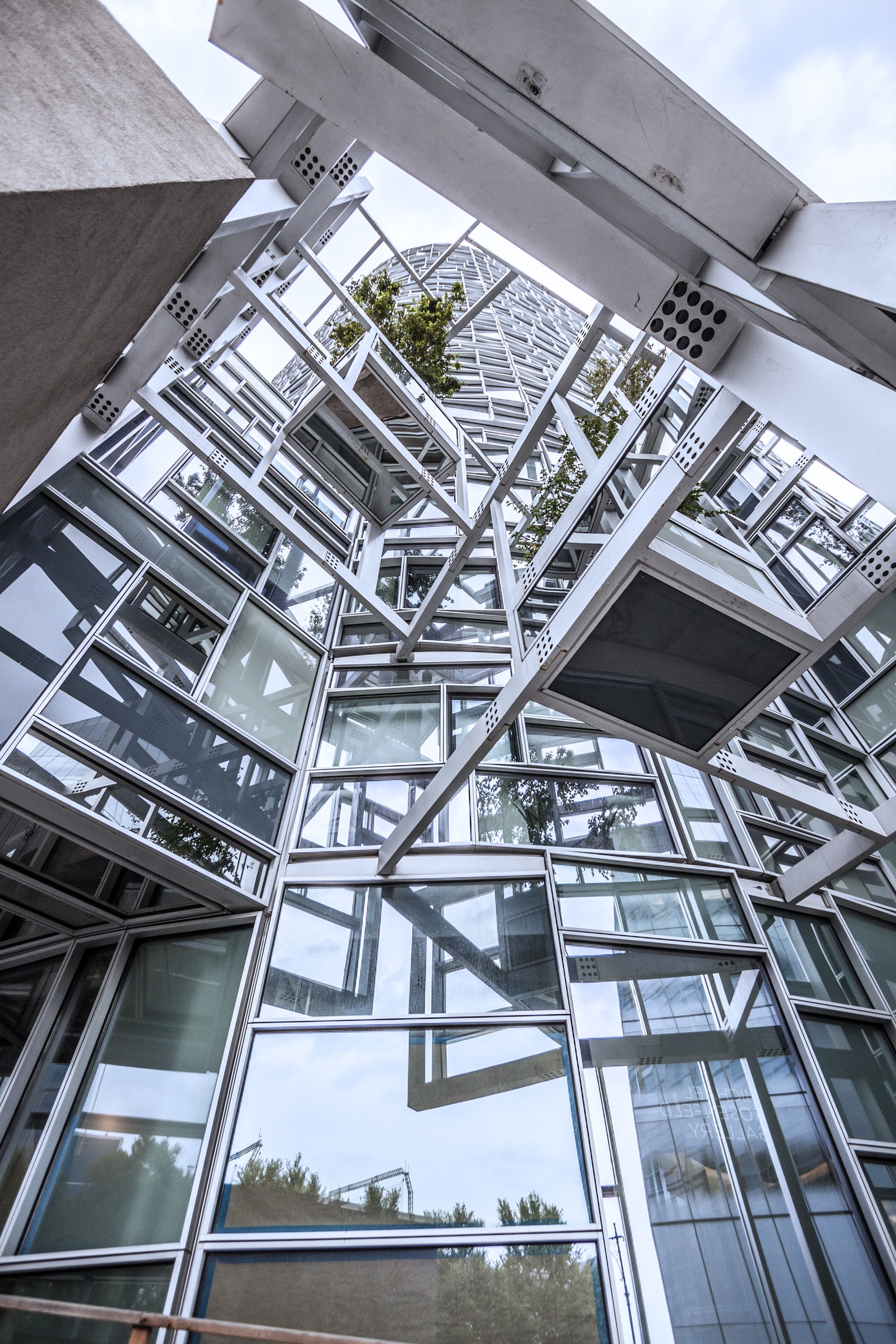
The complexity of the fragmented, curving façade—a unitized curtain wall with over 1,600 massive windowpanes of 32 different sizes connected to tilted, prefabricated megapanels—disrupted traditional, continuous vertical load paths. We devised a slender, heavy steel framework, rather than typical aluminum, to provide necessary strength while remaining just 3 inches wide to preserve interior architecture and apartment layouts.
To support the massive facade dead loads over un-columned perimeter spans reaching up to 34 feet, our engineers more than doubled the thickness of concrete floor slabs over standard slabs. To maintain aesthetics inside the residences, we designed a gradual, 5-foot taper to transition visually between the two slab thicknesses.
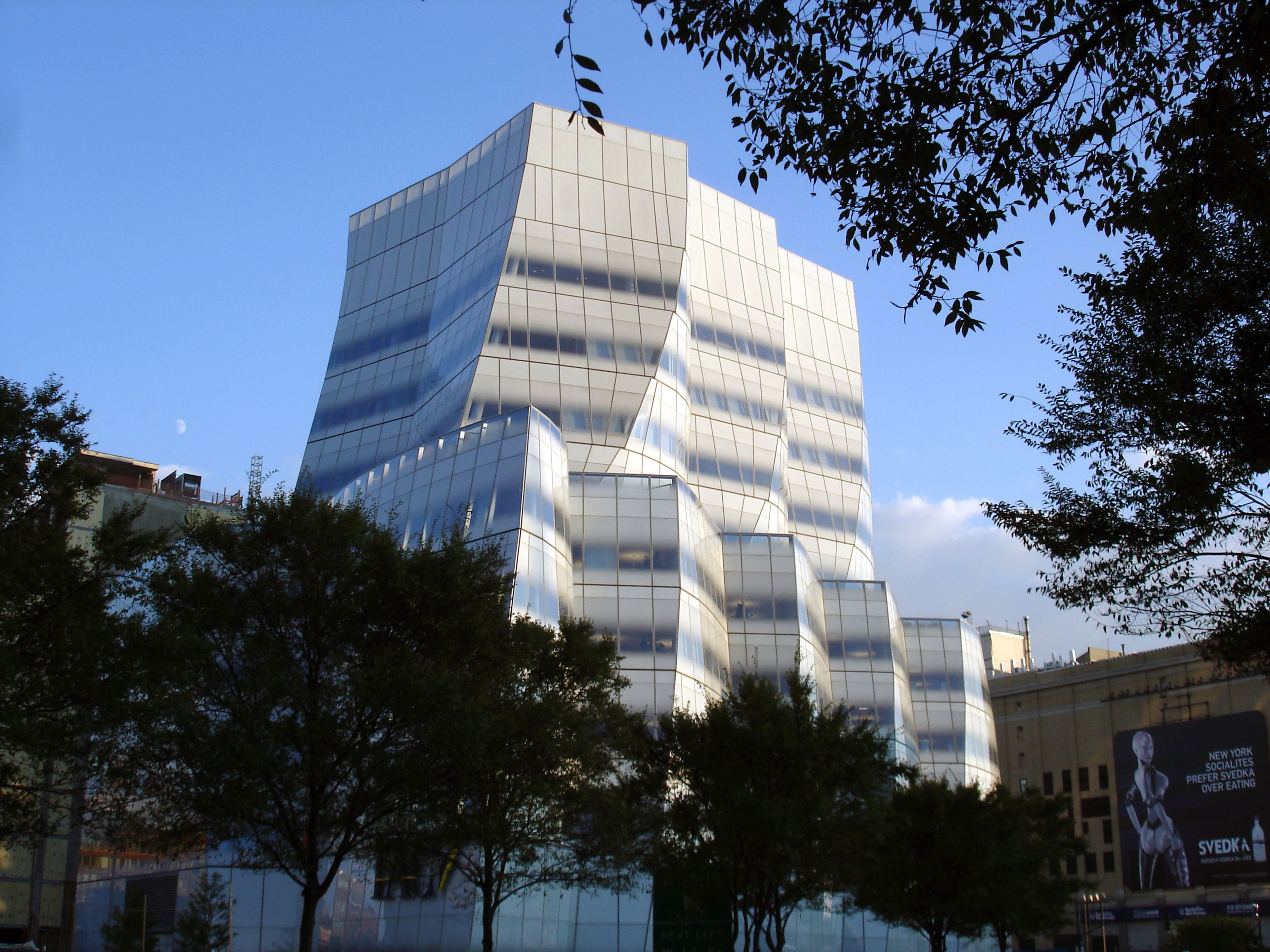
The LEED-certified 100 Eleventh Avenue, located directly across from the IAC Headquarters, another DeSimone-designed structure, integrates high-performance and recycled materials, low-emission systems, natural ventilation, and energy-efficient envelope strategies.
)